
What Flooding and Humidity Mean for Dogs Living in Older Atlanta Homes
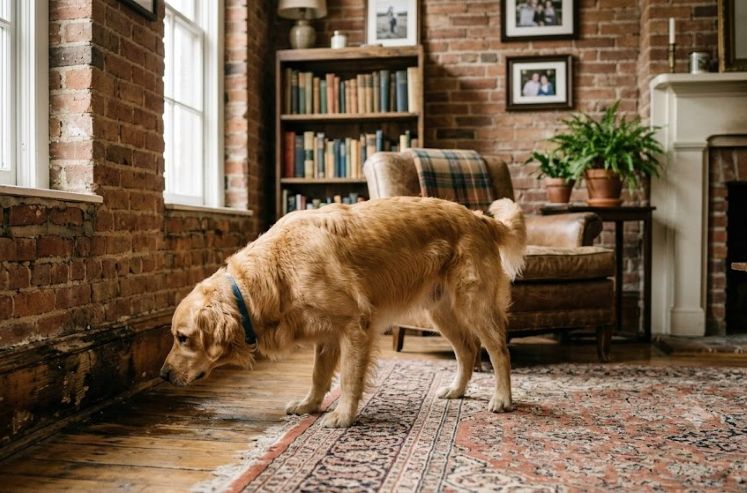
Atlanta receives close to 50 inches of rain a year, and its humid subtropical climate keeps summer air thick with moisture long after a storm passes. Data from the National Weather Service shows the city rarely goes more than a few weeks without measurable rainfall, and relative humidity often sits well above 60 percent from May through September. For homeowners, that combination is more than an inconvenience. It creates the exact conditions mold needs to take hold, and it can start doing so within a single day of a leak.
The U.S. Environmental Protection Agency notes that damp building materials, drywall, carpet padding, and wood framing among them, can begin growing mold within 24 to 48 hours if they are not dried out. In an older Atlanta home with a vented crawl space or an aging roof, that window closes fast, which is why homeowners dealing with a slow leak or storm intrusion often look into water damage repair Atlanta GA before the moisture has a chance to spread further into the structure. What many people do not consider right away is how quickly that same moisture problem can start affecting the dog sharing the house with them.
Dogs experience damp, moldy environments differently than people do, but not necessarily less severely. Veterinary sources cited in petMD, including Dr. Patrick Mahaney, describe three main ways pets react to mold exposure: inhaling spores, ingesting them from contaminated surfaces, or developing allergic skin reactions. Inhalation is often the first sign owners notice, showing up as coughing, sneezing, or labored breathing. Because dogs spend so much time with their noses close to the floor, they are exposed to airborne spores and damp flooring more directly than the adults in the household. Curiosity adds another layer of risk. A dog investigating a damp patch of carpet or a soft spot near a baseboard is putting its nose, and often its paws, right where spores concentrate.
Signs of Hidden Moisture That Are Easy to Miss
Not every water problem announces itself with a visible stain or a puddle. In many older homes, moisture travels behind walls or under flooring long before it becomes obvious to a person walking through the room. A musty smell that seems to come and go is one of the more reliable early indicators, since it often points to microbial growth in a space that is not directly visible. Carpet that feels slightly damp or cool near a baseboard, especially after a rainy stretch, is another sign worth investigating rather than ignoring.
Pet behavior can also serve as an early warning system. A dog that consistently avoids a particular room, refuses to lie down in a spot it used to favor, or seems unusually alert or unsettled near a specific wall may be picking up on something a person cannot easily detect. This does not mean every behavioral quirk points to hidden water damage, but a sudden and consistent pattern is worth paying attention to, particularly in a home with a history of leaks or a crawl space that has not been inspected recently.
Knowing When DIY Drying Is No Longer Enough
A small spill or a brief leak caught quickly can often be handled with fans, a dehumidifier, and prompt attention. The trouble starts when moisture has been present long enough that it is no longer just sitting on the surface. If a musty odor persists after a few days of drying efforts, if discoloration appears on drywall or baseboards, or if a pet’s respiratory symptoms do not clear up once the visible water is gone, those are reasonable signals that the problem has moved past what household equipment can fix. At that stage, bringing in a professional water restoration service is less about convenience and more about making sure moisture trapped in wall cavities, subflooring, or crawl spaces does not continue feeding mold growth out of sight.
This decision point matters more in Atlanta’s older neighborhoods than it might elsewhere. Homes built with vented crawl spaces before modern moisture-control standards existed tend to hold humidity longer, which means a leak that seems minor on the surface can still be actively wicking moisture into framing and insulation weeks later. A professional assessment can determine whether that is happening, something that is difficult to judge from a fan and a moisture meter alone.
Looking After the Whole Household
Flooding and humidity are usually framed as property concerns first, with health considerations added almost as an afterthought. For households with dogs, that order deserves to be reversed. Pets cannot describe a scratchy throat or a persistent itch, so their symptoms often show up only after exposure has been ongoing for some time. If a dog does start showing signs of illness after a leak or a damp spell, knowing what to do when your dog is sick can help an owner figure out whether it is a passing reaction or something that needs a vet’s attention. Keeping an eye on both the structure and the animals living inside it, and treating a lingering musty smell or an unusual behavior change as worth investigating rather than dismissing, is one of the more practical steps an Atlanta homeowner can take as the region’s wet season rolls around again.